Safety First: Your Number One Priority
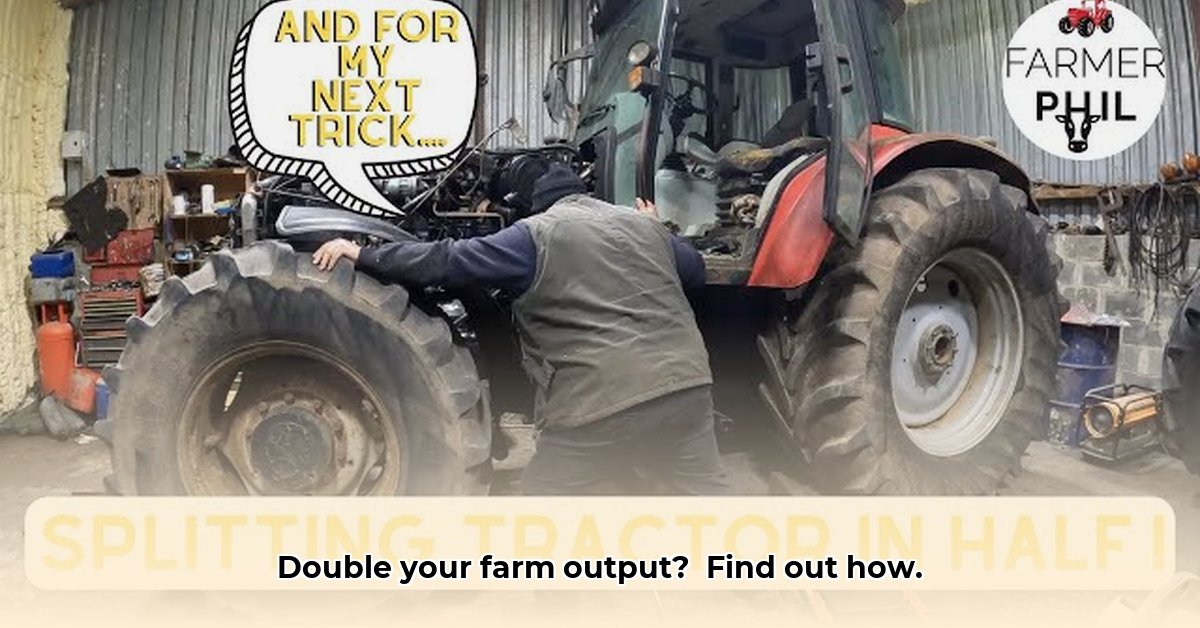
Before you begin splitting your tractor, prioritize safety. This isn't a simple task; it involves significant modifications and potential hazards. Always wear appropriate Personal Protective Equipment (PPE): safety glasses, heavy-duty gloves, sturdy work boots, and hearing protection. Conduct a thorough pre-operation inspection of your tractor, checking for any existing damage that could worsen during the splitting process. Use only appropriate tools for the job; don't improvise. If you encounter anything beyond your skillset, consult a qualified mechanic. A small investment in professional help is far cheaper than the cost of a potential injury. For more detailed guidance on tractor modifications, see this helpful resource: tractor modification guide.
Step-by-Step Guide to Tractor Splitting: A Practical Approach
This is a general guideline. Consult your tractor's owner's manual for specific instructions. Remember, this is a complex procedure, and rushing increases risk of damage or injury.
Disconnection and Securing: Disconnect the battery (always first!), PTO, and any attached implements. Securely block the wheels with wheel chocks to prevent accidental movement. This creates a safe working environment.
Component Removal: Carefully remove components obstructing access to the splitting points. Take detailed photos and notes throughout. This detailed documentation is crucial for error-free reassembly.
The Splitting Process: Use the appropriate jig and dolly system (as specified by the manufacturer) to guide the separation. Apply even pressure throughout to prevent damage to your tractor.
Post-Split Inspection: Carefully inspect all connections and components for any damage. Address any issues before proceeding to reassembly. A small repair now saves major headaches later.
Reassembly: Reverse the disassembly steps, meticulously checking each connection. Precision is paramount for tractor safety and longevity.
Maintaining and Repairing Your Split Tractor
Maintaining a split tractor requires diligent attention. Regular inspections are crucial. Keep detailed maintenance logs to track issues and anticipate future needs. Sourcing parts might be more challenging; establish relationships with local agricultural equipment suppliers. Remember, promptly address any repair needs to maintain your tractor's operational efficiency.
Splitting a Tractor: Weighing the Pros and Cons
Tractor splitting offers potential benefits like increased maneuverability, especially in tight spaces, and potential fuel savings due to reduced weight. However, increased maintenance needs, potential soil compaction (see section below), and regulatory uncertainties are significant drawbacks. Have you considered the long-term implications?
How to Mitigate Soil Compaction Risks When Tractor Splitting
Increased ground pressure from a split tractor can lead to soil compaction, harming water infiltration, root growth, and yield. Before splitting, assess your soil type; use appropriate equipment and tire pressures; and plan routes to minimize compaction. Implement controlled traffic farming, reduce tire pressure where safe, and work in optimal soil moisture conditions. Post-splitting, monitor soil health, and consider deep tillage if absolutely necessary.
Real-World Examples and Ongoing Research
While anecdotal evidence suggests both success and challenges, comprehensive data on tractor splitting remains scarce. Many farmers report increased maneuverability and reduced costs, but others have encountered unforeseen maintenance issues. Further research is needed to provide definitive results on long-term impacts on soil health and farm profitability. This lack of widespread data highlights the need for further investigation.
Resources and Further Exploration
Consult your local agricultural extension office and equipment dealers for guidance. Online forums can offer valuable insights, but always verify information with reputable sources. Remember, careful planning and due diligence are crucial for successful and safe tractor splitting.
Key Takeaways:
- Tractor splitting offers potential efficiency gains but demands meticulous safety precautions.
- Thorough pre-splitting inspections and planning are vital for success.
- Increased maintenance and potential regulatory issues should be factored into your decision.
- Minimizing soil compaction requires careful attention to technique and post-splitting care.
- More research is needed to fully assess the long-term effects of this practice.